
Key Takeaways
- Immersive VR Visualization: Virtual Reality lets clients explore 3D models of layouts, color schemes, and furniture configurations before any physical remodeling begins, reducing costly revisions.
- Hyper-Personalization via AI: Artificial intelligence analyzes individual lifestyles and tastes to provide tailored style and color recommendations, speeding up the design process and boosting satisfaction.
- Smart Home Integration: Modern layouts seamlessly incorporate automated climate control, smart lighting, and security systems managed by smartphone apps or voice commands.
- Eco-Friendly and Sustainable Tech: Sustainable living is becoming standard through green-certified product databases and energy-efficient appliances.
- An Essential Tool for Modern Design: Technology has transitioned from a mere add-on to a core component of modern interior design, aligning spaces with the evolving needs of homeowners.
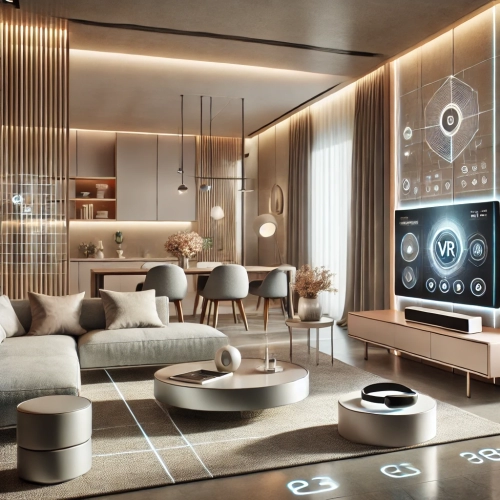
Technology is totally changing the game for interior design these days, making it way easier to blend creativity with practical living. With cool advancements like artificial intelligence, virtual reality, and smart home tech, designers can team up with clients to create experiences that are super personalized, efficient, and interactive from start to finish.
Immersive Visualization with Virtual Reality (VR)
One of the most transformative tools in interior design today is virtual reality (VR). Using VR, designers can create 3D models of spaces, allowing clients to explore potential layouts, furniture arrangements, and color schemes before making any physical changes. This immersive experience offers a realistic view of the final result, helping clients make informed decisions and minimizing costly revisions.
Hyper-Personalization Through Artificial Intelligence (AI)
Artificial intelligence (AI) also plays a significant role, especially in customizing designs based on individual preferences. AI-driven design tools analyze users’ tastes and lifestyle needs, offering tailored recommendations on everything from color palettes to furniture styles. This personalization not only makes the design process faster but also enhances satisfaction by aligning the end result with the client’s unique style.
Seamless Living with Smart Home Integration
Smart home technologies are also expanding, integrating automated lighting, climate control, and security systems directly into design plans. With voice-activated controls and smartphone apps, users can adjust their environment effortlessly, from dimming the lights to controlling room temperature. Designers can now create spaces that adapt to daily routines, ensuring both comfort and convenience.
Sustainable Innovation and Eco-Friendly Materials
Sustainability is another tech-driven trend, with energy-efficient appliances and eco-friendly materials becoming standard in modern homes. Many design platforms offer databases of green-certified products, helping designers make environmentally responsible choices. These choices reflect a broader shift toward sustainable living, meeting consumer demand for homes that are both beautiful and kind to the planet.
The Future of Interior Design
Technology has evolved from a mere add-on into an essential part of the interior design process. By embracing these advancements, designers can create more innovative, sustainable, and personalized spaces that seamlessly meet the evolving needs of modern homeowners.
Ready to bring your vision to life? Schedule a Consultation with our team today to start designing your dream home!
Frequently Asked Questions
How does Virtual Reality (VR) help during the interior design process?
VR creates fully immersive 3D models of your space. This allows you to walk through and experience your future layout, furniture placements, and color palette firsthand, ensuring you love the design before construction starts.
In what ways does Artificial Intelligence (AI) personalize home interiors?
AI-driven design tools analyze your personal aesthetic preferences, daily routines, and functional lifestyle needs to generate custom recommendations for color schemes, decor, and furniture styles.
Are smart home systems difficult to integrate into an existing design plan?
Not when planned correctly. Modern interior designers integrate smart elements—such as automated lighting and climate control—directly into the blueprint so that technology blends effortlessly into your home’s aesthetic.
What makes a design sustainable or eco-friendly?
Sustainable interior design incorporates energy-efficient appliances, green-certified materials, and eco-conscious products that minimize environmental impact while keeping your home stylish and comfortable.


