
Key Takeaways
- Interior design blends art, science, creativity, and functionality to improve the look, feel, and usability of any space.
- Foundational principles like balance (achieved through symmetry and proportion) and contrast (using opposing colors or materials) create calm, order, and visual depth.
- Modern design trends heavily incorporate sustainability, biophilic elements (bringing nature indoors), and smart home automation.
- Redesigning a room effectively requires a clear vision, a defined budget, and a deliberate color palette.
- Traffic flow and functional furniture placement are critical for ensuring an open, inviting environment.
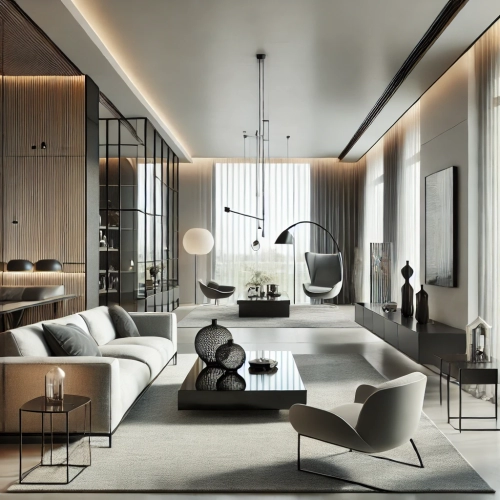
Interior design is really all about blending creativity with everyday practicality—it’s that sweet spot where art and science meet to make any room look, feel, and work better for you. It’s no surprise it’s become so popular lately, since everyone wants their home or office to be a cozy, eye-catching place to hang out. At the end of the day, it really comes down to tuning into what you need, then playing with lighting, colors, and furniture layouts to pull the whole space together effortlessly.
Foundational Principles: Balance and Contrast
One of the foundational principles of interior design is balance, which can be achieved through symmetry, color coordination, and proportionate furniture placement. By creating balance, interior designers establish a sense of calm and order within a room.
Another essential principle is contrast, which adds visual interest and depth to a space. By using contrasting colors or materials—such as wood against metal or light against dark shades—designers can highlight specific areas or features.
Current Interior Design Trends
Current interior design trends include sustainable and eco-friendly choices, such as recycled materials, energy-efficient lighting, and the incorporation of indoor plants for a touch of nature.
- Biophilic Design: Bringing natural elements indoors is particularly popular, as it enhances mental well-being and air quality.
- Smart Home Technology: Automated lighting and temperature control are becoming integral to modern interior design, making spaces more convenient and efficient.
Planning Your Redesign
If you’re planning a redesign, it’s crucial to approach interior design with a clear vision and a budget.
- Choose Your Palette: Start by selecting a color scheme that reflects the mood you want to create. Neutral tones provide a relaxing atmosphere, while vibrant colors like teal or mustard can energize a space.
- Optimize Traffic Flow: The placement of furniture should consider movement, ensuring that the room feels open and inviting.
In conclusion, interior design plays a significant role in enhancing our living spaces, improving both functionality and aesthetics. Whether you’re hiring a professional or tackling a DIY project, understanding the basics of interior design can help transform any space. Embrace these principles and trends to create a home that not only looks good but also feels like a true reflection of your personality.
Ready to bring your vision to life? Schedule a consultation with our expert design team today and let’s transform your space together!
Frequently Asked Questions
What is the core purpose of interior design?
Interior design optimizes lighting, color, and furniture arrangement to enhance the usability and aesthetics of a space while meeting the needs of its inhabitants.
How do balance and contrast impact a room?
Balance establishes a sense of calm and order, whereas contrast adds visual interest and highlights specific features or areas.
What are some popular current interior design trends?
Key trends include eco-friendly and sustainable materials, biophilic design elements like indoor plants, and smart home technology for lighting and temperature control.
How should you start planning a room redesign?
You should start with a clear vision and budget, then select a color scheme that sets your desired mood—such as neutral tones for relaxation or vibrant shades for energy.
Why is furniture arrangement important?
Proper furniture placement optimizes traffic flow, ensuring that a room remains open, functional, and inviting.


